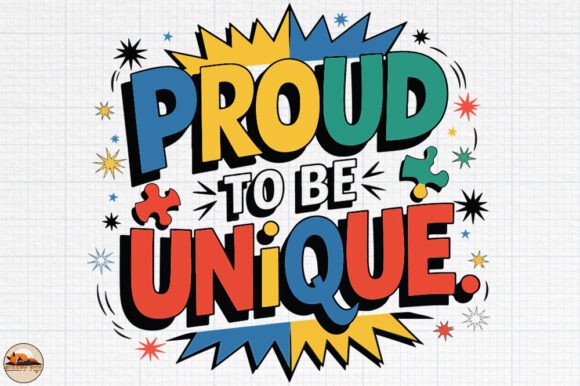
Proud to Be Unique, Autism Sublimation
First Impressions: A Thoughtful, Inclusive Design with Visual Warmth
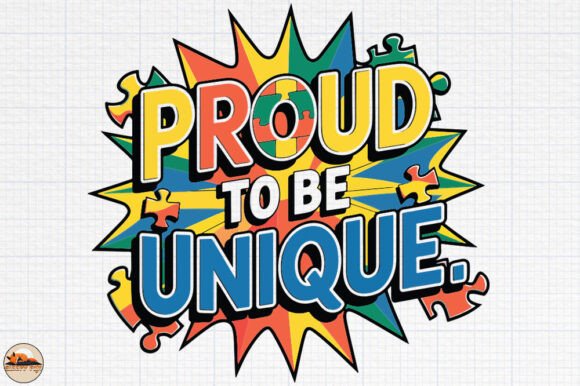
The first time I opened the files for Proud to Be Unique, Autism Sublimation, I was struck by the emotional resonance of the design. It's not just visually clean — it carries a quiet confidence and a sense of celebration around individuality. The layout is centered and balanced, making it easy to adapt across different product types while maintaining a strong visual identity. The color-ready format gives it flexibility, and the SVG, PDF, and EPS files offer solid scalability for both print and embroidery applications.
As a designer who often works with boutique brands and Etsy sellers, I immediately saw how this design could serve as a meaningful centerpiece for custom apparel, tote bags, or even baby items. The theme feels inclusive and uplifting, perfect for a market that values emotional connection in handmade products.
Real-World Use: From Sweatshirts to Nursery Decor
I recently tested this design on a custom embroidered sweatshirt for a small shop client. I used a medium-density fill stitch with a satin border to preserve the design’s clarity without overloading the fabric. The result was clean and professional — even on a textured fleece material. It held up well under movement and maintained its visual appeal after light washing.
Another project I tried was a personalized tote bag. I resized the design slightly to fit within a standard hoop and added a small embroidered name underneath. The overall effect was subtle but impactful — exactly what handmade sellers need for customer engagement and repeat purchases. It also worked surprisingly well on a baby onesie, where the soft theme and gentle colors gave it a comforting presence.
For nursery decor or pillow covers, the design’s layout is spacious enough to stand alone without looking sparse. It pairs well with minimalist stitching styles and can be enhanced with small decorative accents like stars or hearts to match a child’s room theme.
Where to Use with Care: Fabric, Placement, and Detail Sensitivity
While Proud to Be Unique, Autism Sublimation is versatile, it does require some thoughtful handling, especially in more complex embroidery applications. I noticed that on stretchy cotton blends, the satin stitch edges can pucker slightly if the stabilizer isn’t applied correctly. For items like caps or curved surfaces, I recommend testing the stitch density and adjusting the underlay to prevent distortion.
Dark fabric backgrounds also require attention — especially if you're using the design for printed mockups or digital previews. I ran a quick black-and-white test and found that some of the finer details, particularly in the lettering, can get lost without proper contrast adjustments. If you're planning to use this for commercial embroidery or Etsy listings, always test thread colors against fabric swatches before production.
Small hoop sizes are another consideration. The design is best suited for mid to large hoop formats. If you're working with a smaller machine, you may need to simplify or crop the layout to maintain clarity. I wouldn’t recommend it for intricate patches or baby hat embroidery unless you're willing to scale it down carefully and test first.
How It Elevates Your Finished Product
What I appreciate most about this design is how it enhances the perceived value of the finished product. Whether it’s a custom sweatshirt or a boutique tote, the design brings a sense of purpose and emotional depth. Customers respond well to designs that feel personal and intentional — and this one checks both boxes.
For Etsy sellers and craft entrepreneurs, that translates to better product photos, higher engagement, and stronger repeat sales. The design’s clean layout also makes it ideal for brand consistency — especially if you’re building a line of inclusive, sensory-friendly apparel or accessories.
From a stitching clarity standpoint, the files are well-structured. The satin and fill stitches are balanced, and the vector files allow for smooth resizing without distortion. It’s a solid digital embroidery file that holds up well in both personal and commercial embroidery projects.
Designer Notes: What to Check Before You Stitch
- Test on scrap fabric first — especially if you're using textured or stretchy materials.
- Check thread color contrast against both light and dark fabrics to ensure visibility.
- Review stitch density before embroidering on thinner or delicate fabrics.
- Confirm hoop size compatibility — this design works best in medium to large hoops.
- Inspect small details like lettering or fine lines to avoid loss of clarity when resizing.
- Test in black and white mockups to see how it reads without color cues.
- Use proper stabilizer — especially for curved or layered garments like caps or hoodies.
- Confirm licensing terms before selling finished items or digital embroidery files.
One thing I always remind fellow designers and small shop owners: never assume the file is ready to go straight from download. Take a few minutes to open the SVG or EPS in your embroidery software and double-check the layering and stitch order. This design is clean, but it still benefits from a quick review before hooping.
Final Thoughts: A Meaningful Addition to Your Design Assets
Proud to Be Unique, Autism Sublimation isn’t just another graphic — it’s a design that tells a story. Whether you're creating custom apparel, personalized gifts, or nursery decor, it brings a soft strength that resonates with customers. It’s well-suited for craft businesses, Etsy sellers, and creative entrepreneurs who want to offer something more than just a product — they want to offer a feeling.
As long as you approach it with care — especially in terms of fabric selection, thread contrast, and hoop size — it can become a go-to asset in your digital embroidery file collection. I’ve already added it to my library for future boutique items and client gift projects. And if you're building a line of inclusive, sensory-friendly handmade products, this design deserves a spot in your toolkit.