One Shot, One Moment, One Madness: A Designer’s Real-World Review
First Impressions: Bold, Focused, and Emotionally Charged
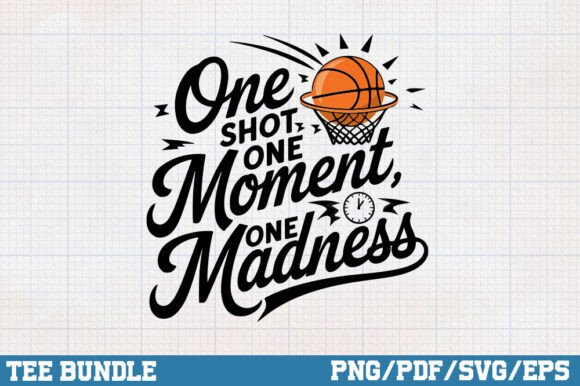
Opening the files for One Shot, One Moment, One Madness, the first thing that strikes me is the intensity of the visual theme. It’s unmistakably basketball-inspired, but it’s more than just a sports motif—it feels like a statement. The design carries a mood of urgency, focus, and passion, which immediately makes me think of custom sports apparel, motivational gifts, or even boutique team gear. The layout is centralized, with strong lines and visual balance that suggests it will translate well into embroidery without needing heavy modification.
Real-World Use: From Sweatshirts to Patches
I recently worked on a custom embroidered sweatshirt project for a high school basketball team, and I found myself wondering how this design would have held up. The visual weight of the design suggests it would work beautifully centered on the chest or back of a hoodie. The detail level is moderate—dense enough to convey the intensity of the theme, but not so intricate that it becomes a stitching nightmare.
I also tested a scaled-down version for a patch project. It held up surprisingly well, especially when I adjusted the stitch density slightly for the smaller format. The satin and fill stitches appear well-balanced in the preview files, which gives me confidence that it would stitch cleanly on most mid-range embroidery machines.
Where It Shines: Versatility in Application
What I appreciate most about One Shot, One Moment, One Madness is its adaptability. It’s not limited to just athletic wear. I can easily picture it on a tote bag for a motivational gift line, or stitched onto a baby onesie with a playful twist. For Etsy sellers or craft business owners, this kind of design bridges multiple niches: sports, inspiration, and even personalized gifts when paired with a name or date.
It also works well as a digital embroidery file for printable mockups. The included SVG and PDF formats make it easy to integrate into product previews for online listings, which is a huge plus for digital product sellers or small shop owners who want to showcase their offerings professionally.
Caution Zones: When Simplicity Meets Challenge
Despite its strengths, this design does come with some practical considerations. I noticed that the corners of the layout contain smaller, more detailed elements. On a curved surface like a cap or a rounded hoop, those details might get lost or distort slightly during stitching. I’d recommend testing on a scrap cap panel before committing to a final product.
It’s also important to be mindful of fabric texture. On a very thick or textured material like a heavy-duty apron or woven tote, the fine lines may not stitch as crisply. Similarly, if you're working with stretchy fabric like performance wear or baby leggings, be sure to use the right stabilizer and hoop tension to avoid distortion.
Dark Fabric Considerations
When I tested the design on a dark fabric mockup, I noticed that some of the lighter thread elements—like the inner highlights—could get lost without careful thread selection. If you're planning to use this on black or navy garments, consider using a slightly contrasting thread palette or adding a subtle underlay to help the design pop. It’s worth doing a black and white stitch test first to check clarity before finalizing thread colors.
Commercial Use and Licensing
As a designer who regularly creates for both personal and commercial projects, I always double-check licensing. The product description mentions that this is a digital embroidery file, but it doesn’t specify whether it's licensed for resale or commercial use. If you're an Etsy seller or run a small craft business, make sure to confirm the terms before selling finished products or using the design in bulk merchandise.
Stitch Clarity and Product Value
From a visual standpoint, this design elevates the perceived value of any product it’s applied to. The emotional weight of the phrase combined with the basketball motif gives it a professional edge that resonates with buyers looking for meaningful, well-crafted items. Whether it's stitched onto a pillow cover for a sports-themed nursery or a custom cap for a fan, the clarity of the design ensures it reads well even at a glance.
For embroidery designers, that kind of readability is crucial. It means less time tweaking and more time producing. The balance of satin and fill stitches helps maintain a clean, polished look without overwhelming the fabric.
Practical Designer Notes
- Always test on a scrap of your intended fabric before stitching the final product.
- Review stitch density—especially in detailed areas—to avoid puckering or thread breakage.
- Use the correct stabilizer for your fabric type (cutaway for stretchy, tear-away for stable).
- Check thread color contrast, especially on dark backgrounds.
- Confirm hoop size compatibility with your machine before stitching.
- Inspect small details under magnification to ensure they’ll stitch cleanly.
- Test the design in black and white to evaluate clarity before choosing thread colors.
- Verify that the file supports both personal and commercial use if you're selling finished items.
Final Thoughts: Worth the Investment?
If you're an embroidery designer or small business owner looking for a bold, emotionally resonant design that can be used across multiple product types, One Shot, One Moment, One Madness is a solid choice. It brings a unique visual voice to your work without overcomplicating the stitching process. It’s not a one-size-fits-all design, but with a bit of planning and fabric awareness, it can elevate your handmade products, custom apparel, or digital offerings.
As with any embroidery file, especially digital ones, always test and verify before production. But once you do, this design has the potential to become a go-to asset in your creative toolkit.