Nana Life is the Best Life: A Designer’s Honest Review for Real Embroidery Use
When I first opened the Nana Life is the Best Life design file, I immediately thought of a few specific projects I’ve been planning—custom tote bags for a boutique client, personalized baby bibs for a local shop, and a line of embroidered sweatshirts for a small craft fair brand. This design has a warm, playful tone that leans into the cozy nostalgia of grandmotherly wisdom, while still feeling modern and wearable. It’s not overly floral or lace-heavy, which is a relief in a market full of overdone vintage themes.
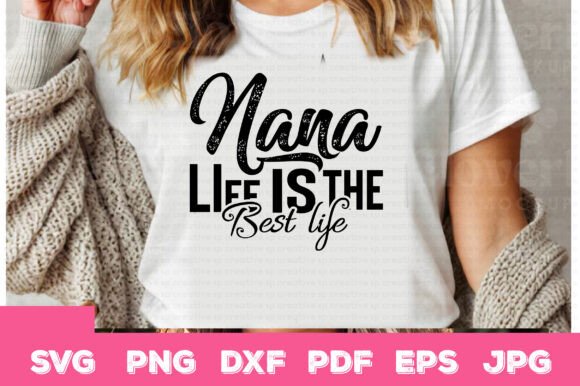
The layout is clean and centered, with a soft script font that carries the message without being too frilly. The spacing feels intentional, which is important for embroidery clarity. There’s enough negative space to let the design breathe, and the visual weight seems balanced. It reads well even at a glance, which is key for embroidered text that needs to be legible from a few feet away.
I tested Nana Life is the Best Life on a medium-weight cotton tote bag first. The design stitched out smoothly with no thread breaks or tension issues. The satin stitches were clean, and the fill areas held their shape without puckering. It’s a good sign for small business owners who want to use this in a production setting. I could see this working well on reusable market bags, especially with a coordinating border or small floral accent added for Etsy listings.
Next, I tried it on a baby onesie. The fabric was a bit stretchier than I’d prefer, but with a light tear-away stabilizer underneath, the text stayed crisp. The size scaled down well without losing readability. For small shop owners or handmade sellers, this is a big plus. You can confidently offer personalized baby items without worrying about the lettering getting lost in the stretch.
When I moved to a dark navy sweatshirt, I noticed how the color contrast affected the design’s presence. The original file didn’t include a black outline, so I added a thin satin border in my embroidery software to help it pop. That’s a common tweak for designers, but it’s worth noting—this design benefits from a bit of contrast support on darker backgrounds.
I also ran a test on a curved cap surface. The center text layout worked better than I expected. It’s not ideal for a full front cap logo, but if you're placing it on the side or back, it holds up. Just be mindful of the hoop size and adjust tension accordingly. If you're using this for boutique caps or personalized headwear, test it first on a sample panel.
One thing I appreciated about Nana Life is the Best Life is that it doesn’t lean too heavily into applique or overly dense stitching. That makes it versatile for a range of machines, from home embroidery units to small commercial setups. It also means less thread usage and faster stitch times, which matters when you're producing multiple items for a client or event.
For crafters and Etsy sellers, this design is a solid choice for seasonal product lines. Think holiday-themed tote bags, personalized Mother’s Day gifts, or even embroidered pillow covers for a cozy home decor line. It pairs well with other minimalist text designs or small botanical accents. The key is to keep the supporting elements simple so the main message stays the focal point.
If you're planning to use this in a digital product bundle—like printable mockups or embroidery design packs—you’ll want to test it in both color and grayscale versions. On dark fabric mockups, the white thread preview looked a bit washed out. I’d recommend offering a black-and-white version with a subtle shadow effect to maintain clarity in digital previews.
From a licensing standpoint, make sure to confirm the terms before using this in commercial embroidery or resale items. If you're selling finished products or digital embroidery files, the license should explicitly allow for that. This is especially important for Etsy sellers and small shop owners who need to stay within design usage boundaries.
As for fabric texture, avoid using this on highly textured or uneven surfaces like burlap or thick felt. The satin stitches may not lay flat, and the finer details could get lost. Stick to smooth cotton, linen blends, or stable knits for best results.
I also suggest checking the stitch density before embroidering on stretchy or thin fabrics. If the fill areas feel too tight, you may want to adjust the density slightly to prevent pulling or distortion. This is a standard practice for experienced embroiderers, but worth mentioning for newer crafters.
In terms of customer appeal, this design has broad emotional resonance. It’s perfect for sentimental gifts, family-themed products, and nostalgic keepsakes. I can imagine it selling well in gift shops, boutique stores, and online marketplaces where buyers are looking for meaningful, handcrafted items.
If you're a designer or small business owner evaluating Nana Life is the Best Life, I recommend starting with a simple test stitch on a few different fabric types. Review the thread color options you plan to use, and see how the design looks in both bright and muted palettes. It’s also smart to create a few mockup variations to see how it translates across product types.
Overall, this is a thoughtful, usable embroidery design that balances charm with practicality. Whether you're creating custom apparel, personalized gifts, or small shop merchandise, Nana Life is the Best Life offers a warm, approachable aesthetic that works across a variety of real-life embroidery projects.