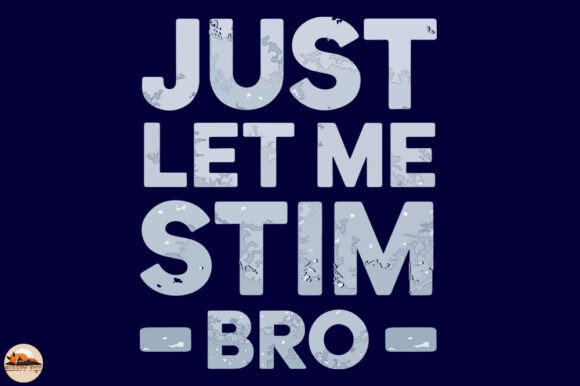
Just Let Me Stim Bro, Autism Design Review
First Impressions: A Bold Statement with Purpose
The moment I opened the files for Just Let Me Stim Bro, Autism Design, I was struck by its confident, unapologetic tone. This isn’t just a design — it’s a message. Visually, it leans into a modern, slightly edgy aesthetic with clean lines and a strong central motif. The layout feels intentional, like it’s meant to be seen and understood at a glance. It carries a sense of calm defiance, which makes it perfect for wearables or home decor that celebrate neurodiversity and self-expression.
As an embroidery designer, I immediately thought of how this would translate into thread. The design’s visual personality is simple enough to hold up in basic embroidery formats but still carries enough weight to stand out on a tote bag or sweatshirt. It’s not overly detailed, which is a plus for machine embroidery — especially for those working with mid-range machines or limited hoop sizes.
Real-World Use: From Sweatshirts to Baby Clothes
I recently picked up a custom order for a boutique that specializes in inclusive children’s apparel. I considered using Just Let Me Stim Bro, Autism Design on a line of baby onesies and toddler hoodies. The design’s message is perfect for parents who want to raise awareness while dressing their kids in meaningful, wearable art.
When I tested it on a mock sweatshirt, the design held up beautifully. The text was crisp, and the spacing allowed for easy stitching without thread bunching or distortion. I used a combination of satin and fill stitches, and the result was clean and professional. On lighter fabrics, the contrast was strong, making the message pop. Even on a textured cotton blend, it maintained clarity — a big win for embroidery files that are often challenged by fabric texture.
Where to Use It — and Where to Be Careful
Just Let Me Stim Bro, Autism Design works best on flat, stable surfaces like tote bags, pillow covers, and t-shirts. It’s ideal for small business owners who sell on Etsy or at craft fairs — especially those catering to neurodiverse communities or inclusive lifestyle brands. The design also lends itself well to holiday gifts, personalized baby items, and boutique merchandise.
However, I’d be cautious when using it on stretchy or thin fabrics. The lettering, while legible, could distort slightly on highly elastic materials. I’d recommend testing it on a scrap of the intended fabric first, especially if you’re embroidering on a curved surface like a cap or a layered garment like a quilted blanket.
Dark fabrics are another consideration. I ran a black-and-white mockup and found that the design still reads well, but thread color contrast becomes critical. If you're using metallic or specialty threads, make sure they don’t overpower the message. This is a design that should speak clearly — not get lost in flashy embellishments.
Visual Appeal and Branding Potential
From a branding perspective, this design has real legs. It’s not just a cute graphic — it’s a statement. For small shop owners or Etsy sellers, that kind of emotional resonance is gold. It builds customer trust and brand consistency, especially if your shop focuses on inclusive, meaningful, or neurodivergent-friendly merchandise.
I can see this design being used on embroidered patches, which could then be sold as customizable add-ons for backpacks, jackets, or sensory-friendly clothing. The file formats provided — SVG, PDF, EPS, and PNG — make it versatile for both digital product previews and physical embroidery projects. It also makes a great printable mockup asset for sellers who want to show their customers how the design looks on different products before stitching.
Practical Notes for Embroidery Designers
- Always test the design on scrap fabric before stitching your final product.
- Check thread color contrast, especially on dark or textured materials.
- Review stitch density — this design is simple enough that you shouldn’t run into issues, but it’s always better to be safe.
- Confirm hoop size compatibility. If you're working with smaller hoops, you may need to resize or split the design.
- Inspect small details like letter spacing and line weight — this is especially important for embroidered patches or personalized gifts.
- Run a black-and-white mockup to see how the design reads without color.
- Compare how it looks on light versus dark fabric backgrounds.
- Use the appropriate stabilizer for your fabric type — especially if you're stitching on stretchy or thin materials.
- Make sure the design fits within your machine’s embroidery field and that you have the right format for your embroidery software.
- Check licensing before selling finished items or digital embroidery files — this is crucial for Etsy sellers and small business owners.
Final Thoughts: A Thoughtful Design with Real-World Value
As a designer who works with both personal and commercial embroidery projects, I appreciate when a design like Just Let Me Stim Bro, Autism Design comes along. It’s not just visually appealing — it carries a message that resonates. Whether you’re embroidering a sweatshirt for a client, creating a custom tote for a neurodiverse event, or adding a meaningful patch to a baby blanket, this design delivers both function and heart.
It’s the kind of embroidery file that can elevate your finished product from “just another item” to something that sparks conversation, builds trust, and adds real value to your handmade brand. If you're an Etsy seller, craft fair regular, or boutique owner looking for designs that speak to more than just aesthetics, this one deserves a spot in your digital embroidery file collection.