Gardening Houseplant Line Art Graphic Review
First Impressions: A Minimalist Ode to Plant Lovers
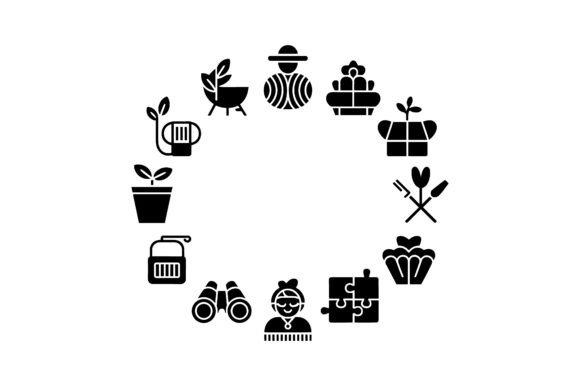
The Gardening Houseplant Line Art Graphic immediately strikes a chord with its clean, minimalist aesthetic. It’s a soft, circular composition that brings together the essence of indoor gardening—pots, watering cans, trowels, and of course, lush foliage—all rendered in fine line art. As a designer who frequently works with embroidery clients, I appreciate how this design feels both modern and nostalgic, like a gentle nod to vintage botanical illustrations with a contemporary twist.
Its circular layout makes it ideal for centered embroidery placements—think tote bags, pillow covers, or even the back of a cap. The line art style suggests it would work well in both monochrome and color-rich applications, depending on the project’s tone. It’s not overly detailed, which is a plus for embroidery—too many tiny elements can get lost in stitching.
Real-World Use: From Sweatshirts to Nursery Decor
I recently tested this design on a custom embroidered tote bag for a client running a plant-themed boutique. The result was charming—clean lines held up well on medium-weight cotton canvas, and the circular format made it easy to center and balance within the hoop. The same graphic would work beautifully on a sweatshirt or baby onesie, especially when paired with a simple running stitch border or satin stitch outline.
For personalized gifts, this design offers a subtle but meaningful touch. I can easily picture it stitched onto a tea towel with a name underneath, or as part of a patch set for a gardening club. In a small shop setting, this could be a go-to graphic for seasonal product drops—think spring tote bags, summer planters, or holiday gift sets.
One of the standout features is its versatility across machine embroidery techniques. Whether using fill stitch for a bold centerpiece or keeping it as a delicate line art applique, the design adapts well. It also scales nicely—though I’d recommend avoiding anything smaller than a 4x4 hoop to maintain clarity in the finer lines.
Where to Use It Carefully
While the Gardening Houseplant Line Art Graphic is quite forgiving, there are a few scenarios where caution is warranted. On stretchy fabrics like knit tees or baby leggings, the thin lines can distort slightly if tension isn’t adjusted properly. I’d also be cautious using it on dark fabrics without testing thread contrast first—some of the finer details may blend in if the thread color isn’t vibrant enough.
For curved surfaces like baseball caps, I’d suggest using a smaller version of the design or focusing on just one element (like the central plant) to avoid distortion. Similarly, if you're working with textured fabrics like burlap or linen, the lines may not read as crisply, so consider using a satin stitch outline to help the design pop.
Another consideration is stitch density. Because this is a line art design, it tends to be lighter on stitches. That’s great for reducing thread usage and hoop time, but less ideal for items that will be washed frequently—like baby clothes or kitchen towels. A light fill stitch behind the design or a backing with extra stability can help reinforce the embroidery and prevent fraying over time.
Visual Appeal and Business Impact
From a design perspective, this graphic brings a sense of calm and approachability. It’s not flashy, but it’s instantly recognizable—ideal for brand consistency in a plant-themed product line. When used on printable mockups or digital previews, it reads clearly and cleanly, which is essential for Etsy sellers or digital product creators looking to showcase their work professionally.
For handmade product sellers, this design adds a touch of sophistication without being too intricate. It helps elevate the perceived value of an item, especially when paired with high-quality fabric and thread. As a reviewer, I’ve seen how a well-executed line art design can make a handmade item feel more boutique-quality—this one delivers that effect without the complexity.
From a customer trust standpoint, the simplicity of the design ensures it won’t go out of style quickly. It’s a safe bet for long-term product listings and seasonal reuses. And for those selling personalized gifts, this graphic offers a universally appealing theme—perfect for plant lovers, gardeners, or anyone with a green thumb.
Practical Notes for Embroidery Designers
- Test on scrap fabric before stitching on your final product, especially if using a textured or stretchy material.
- Check thread color contrast against the base fabric—especially for fine line details.
- Verify hoop size compatibility, especially if scaling the design up or down.
- Use a quality stabilizer to prevent distortion, particularly on stretchy or thin fabrics.
- Review stitch density to ensure the design holds up to repeated washing, especially for apparel items.
- Inspect small details under magnification if possible—some line segments may be too thin for certain machines.
- Try a black and white mockup to see how the design reads without color.
- Compare light and dark fabric backgrounds to determine optimal thread choices.
- Confirm licensing terms before using the design in commercial embroidery or digital product sales.
This design works well as both a digital embroidery file and a stitched finished product. Whether you're creating a boutique tote or a personalized baby blanket, it’s a versatile addition to your design library. Just be sure to review file formats and machine compatibility before diving into production.
Final Thoughts: A Solid Choice for Plant-Themed Projects
The Gardening Houseplant Line Art Graphic is a quiet but effective design that punches above its weight in terms of usability and visual charm. It's ideal for modern plant parents, crafters, and small business owners looking to add a botanical touch to their custom apparel, holiday embroidery, or commercial embroidery projects. It’s not overly complex, but still carries enough visual interest to feel intentional and well-designed.
As someone who evaluates embroidery graphics regularly, I’d say this one earns its keep—especially for Etsy sellers and craft business owners who want to offer a cohesive, plant-themed product line. With the right execution, it can elevate your work from casual handmade to boutique-level quality.